

Deck Permits in East Goshen Township, PA: 7 Things to Know Before You Build
TL;DR — Deck Permits in East Goshen Township, PA
No time to read? Here are some quick notes:
- You need a permit. Every time. East Goshen specifically removed the state's standard deck exemption from its code, so there's no low-deck loophole here.
- Applications go through the Building & Zoning Permit Application, and residential projects need two complete sets of building plans and a site plan.
- Your deck fee runs 1% of the construction cost, with a $150 minimum for a new deck. Re-decking an existing structure is a flat $150.
- Your deck counts as impervious coverage, and the Township says so in writing on its own permit application.
- Pennsylvania's Uniform Construction Code now enforces the 2021 International Codes, effective January 1, 2026, so decks permitted today get measured against newer tables than they were a year ago.
- Building without a permit is a summary offense, punishable by up to $1,000 per day, plus costs, attorney's fees, and up to 30 days in jail.
You've picked the boards. You've walked the yard, picturing exactly where the table goes and where the string lights hang. What you have is the perfect spot to enjoy the rolling vistas of Eastern Pennsylvania, in the comfort of your backyard.
But before you dig a single post hole, there's a step many East Goshen homeowners dread: the permitting process.
Skip it, and that new deck can turn into a stop-work order, a fine, or a headache the day you go to sell. Handle it right, and it's just paperwork, the kind that protects your family, your investment, and your view of the yard for years to come.
We're Keystone Custom Decks, and we build decks, porches, and outdoor living spaces across Pennsylvania. We've walked plenty of Chester County homeowners through this exact process. So let's break down what East Goshen Township actually requires, in plain English, before you pick up a hammer.
Following is everything you need to know about getting a permit to build a deck in East Goshen Township, located in the heart of Chester County.
Do You Need a Permit to Build a Deck in East Goshen Township?
Most townships under Pennsylvania’s Uniform Construction Code give homeowners a little wiggle room on the rules; if you build low enough to the ground, you could skip the building permit entirely. Unfortunately for you, East Goshen doesn’t give any exemptions: You must have a permit.
The Township's own guide to construction activities that require a permit confirms it, listing "decks and deck restorations" right alongside re-decking, new handrails, and replacement steps.
So if you're hoping your low-profile platform deck flies under the radar, it won't. Every deck in East Goshen needs a permit, full stop.
How to Apply for a Deck Permit (Step by Step)
Step 1: Pull the application. Start with the Township's Building & Zoning Permit Application, which covers both the zoning and building sides of your project in one form.
Step 2: Build your submission. Residential projects need "two (2) complete and detailed copies of the proposed building plans and site plans." A site plan is required whenever your project increases your home's footprint or adds a new structure, and a deck almost always qualifies. Your plan set should show the deck's dimensions, its distance to property lines, and how it connects to your house.
Step 3: Watch for the stormwater question. East Goshen's application spells out something many homeowners don't expect: decks, patios, sheds, additions, new stone or paved driveways, and more are considered impervious surfaces. So if your new deck adds 2,000 square feet or more of new impervious surface, you'll need a separate stormwater management permit on top of your building permit. Most decks won't hit that threshold, but confirm it before you finalize your design.
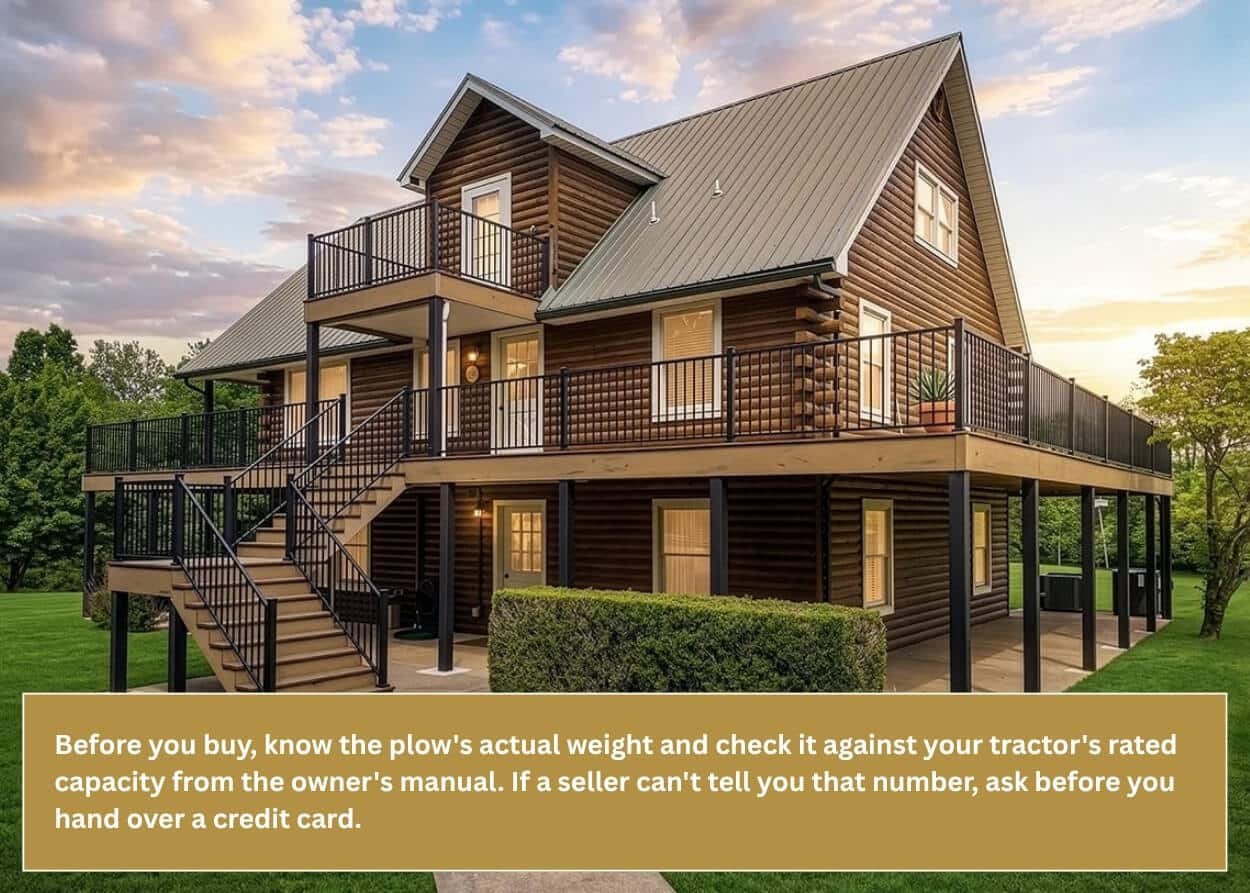
Step 4: Budget for the fee. East Goshen's 2026 fee schedule sets a new deck permit at 1% of your project's construction cost, with a $150 minimum. If you’re re-decking an existing structure and adding new boards or railings, it's a flat $150.
Step 5: Submit and wait for review. The Township doesn't publish a guaranteed turnaround window for deck reviews on its website, so build a little cushion into your timeline and confirm the current wait when you submit. The Permits & Inspections office can walk you through what's outstanding on your application.
Your Deck Counts Toward Coverage, Even If It Might Dodge Setbacks
When it comes to setbacks, East Goshen’s zoning guidelines throw a few curveballs worth a closer look.
Setbacks depend on your district, and East Goshen has several. For example, district R-2 calls for a 45-foot front yard, 20-foot side yards, and a 50-foot rear yard, while district R-3 tightens that to a 30-foot front, 20-foot sides, and a 30-foot rear. So before you finalize your design, confirm your deck’s design doesn’t extend past any setbacks. That said…
An uncovered, unattached feature might dodge the setback line entirely. The zoning code doesn’t apply to an arbor, open trellis, flagpole, unroofed steps, unroofed terrace, or awnings that don’t extend past 10 feet from a district's yard requirements. Whether an elevated, open deck counts as an unroofed terrace for this purpose isn't spelled out, so a call to the Zoning Officer before you commit to a layout is a good idea.

But your deck almost certainly counts against your impervious coverage cap, and this one isn't a gray area. The Township's own permit application says it outright: decks, patios, sheds, and paved driveways are "all impervious." That matters because East Goshen caps impervious coverage at 35% of your lot in districts R-2 through R-5. Building coverage, a separate, narrower 25% cap on the footprint of buildings themselves, specifically excludes open patios, but the code doesn't extend that carve-out to impervious coverage generally. If your lot is already close to its limit, this is a math problem worth solving before you order lumber, not after.
Building to Code: What East Goshen Actually Enforces
Zoning rules aren’t the only thing that can throw a wet blanket over your deck plans. Building code also matters, and since it keeps people safe, it's worth reading even if permits bore you.
Here's the short version: East Goshen doesn't write its own rulebook for how a deck gets built. It enforces Pennsylvania's Uniform Construction Code, the same statewide code most Pennsylvania townships use.
And that rulebook just changed. As of January 1, 2026, Pennsylvania moved to the 2021 International Residential Code, replacing the 2018 edition. If you build your deck this year, it will be measured against the newer tables, not the old ones. A few basics stay the same either way:
- Footings. Must sit below the frost depth so the ground doesn't heave and shift your structure over winter.
- Ledger boards. Your deck’s connection to your house needs corrosion-resistant metal flashing, so water can't work its way into your home's framing.
- Fasteners. Structural connections require hot-dipped galvanized or stainless hardware. Hardware-store screws rust out and fail long before the wood does.
- Guardrails. Any deck with a drop of 30 inches or more needs a guard at least 36 inches high, built to resist a 200-pound horizontal load, with connections tied into the framing rather than just the deck boards.
- Stairs. Risers can't exceed 7¾ inches, treads need at least 10 inches of depth, and any stairway with four or more risers needs a handrail.
None of this is busywork. A ledger that pulls away from the house, or a guard that gives out under weight, is exactly the kind of shortcut that turns into a real injury.
Inspections: What Gets Checked, and When
Permits come with inspections, and failing them is how homeowners end up tearing up work they already finished.
East Goshen's Code Department administers and enforces the building code, which follows the standard inspection sequence built into the Uniform Construction Code:
- A footing inspection before any concrete gets poured,
- A framing inspection once the structure is up but before decking boards or railings go on
- A final inspection once everything's complete.
Scheduling with Permits & Inspections to line up each stage is on you unless you’ve hired a contractor to build your deck. Don't pour footings or close up framing before an inspector's had a look. Covering up work too early almost always means opening it back up later, and that’ll cost you time and money twice.
What Happens If You Build Without a Permit?
We get the temptation to skip the paperwork and just build. It’s your property, and you can do what you want, right?
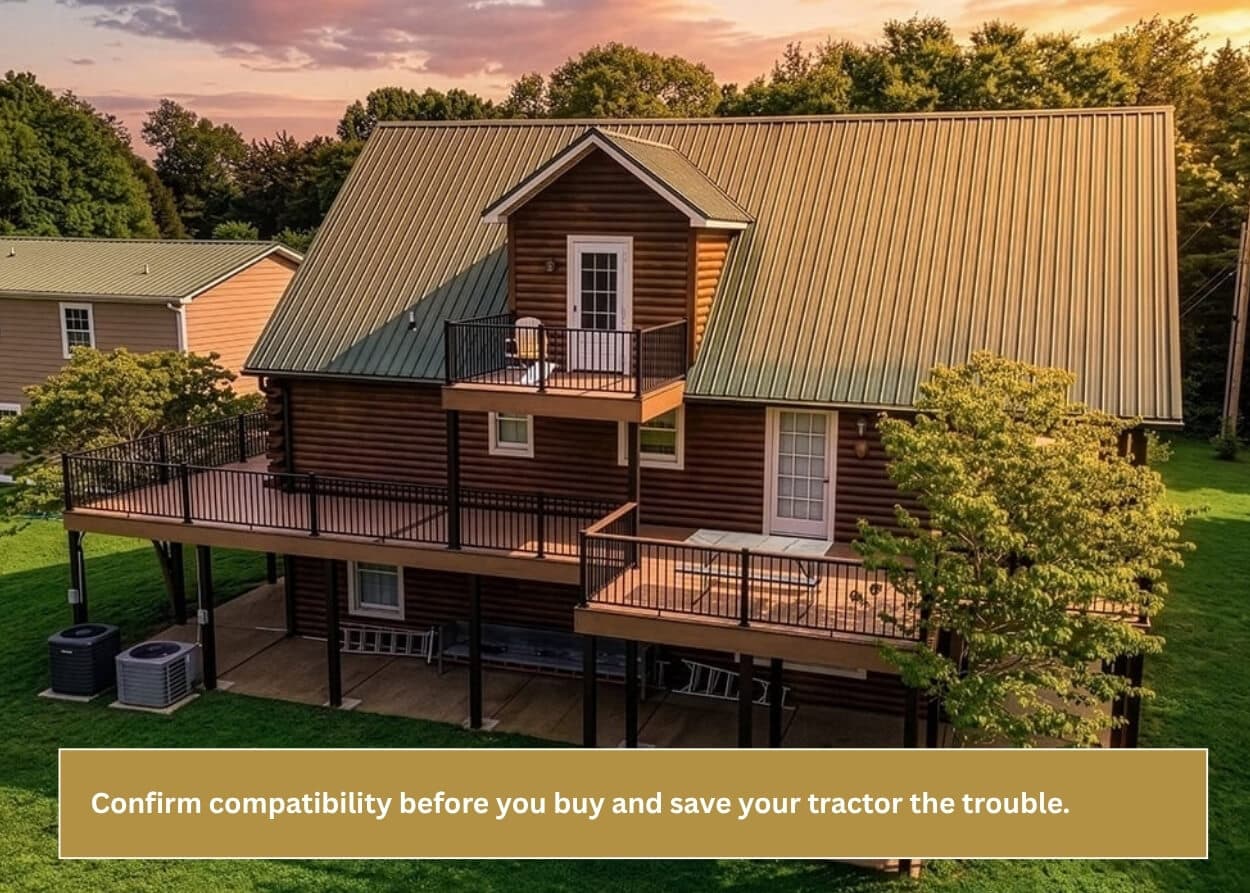
Violating the Township's building code can land you fines up to $1,000 per day, plus costs and attorney's fees, and can even carry imprisonment of up to 30 days. Each day a violation continues is deemed a separate offense. East Goshen doesn’t mess around.
Add in the practical fallout: a stop-work order mid-project, exposed footings or opened-up framing, and a red flag on your home inspection the day you decide to sell, and the paperwork starts looking like the easier path. Your homeowner's insurance may not cover damage or injuries tied to unpermitted work, either. It’s not worth the risk.
Build the Deck, Just Build It Right
We're not trying to talk you out of the deck you've been planning. We just want you to build it once, correctly, instead of twice.
A deck should feel like more time outside with your family, not a stack of forms on the kitchen counter. That's why a contractor who already knows the code pays for itself. We handle Pennsylvania deck projects regularly, and it shows in the details.
When you work with us, you get a team that:
- Confirms your zoning district, setbacks, and impervious coverage numbers before anything gets designed
- Prepares plan sets that match what East Goshen's Code Department expects to see
- Builds to the current adopted code, including the 2021 IRC, from footings to guardrails
- Schedules your inspections at the right stage, every time
We handle the paperwork so you can focus on decorating your deck. Let Keystone Custom Decks do the work, so all you have to do is enjoy it.
Disclaimer
While the information in this blog has been researched to the best of our knowledge, it's important to note that:
- The information is gathered from publicly available online sources
- Permitting rules and requirements can change or vary by township
- It is always best for the homeowner to confirm directly with their local township or permitting office before starting construction.